

What Is a Mobile Mechanic and How They Help
When your car will not start in the driveway, your ute is due for a service, or your truck cannot afford a day off the road, the question becomes pretty simple - what is a mobile mechanic, and can they sort the problem where the vehicle sits?
A mobile mechanic is a qualified mechanic who comes to your home, workplace, roadside location or marina to carry out servicing, diagnostics, maintenance and many repairs on site. Instead of booking into a traditional workshop and rearranging your day around drop-off and pick-up, the mechanic brings the tools, parts, experience and testing equipment to you. For plenty of vehicle owners across the Gold Coast and Brisbane, that is not just convenient. It is often the most practical option.
What is a mobile mechanic in practical terms?
In plain English, a mobile mechanic does much of the same work you would expect from a workshop, but from a fully equipped service vehicle rather than a fixed garage. That can include logbook servicing, brake work, battery replacement, fault finding, starter motor and alternator issues, suspension repairs, cooling system checks, pre-purchase inspections and general mechanical repairs.
The big difference is location. You do not have to sit in a waiting room, line up a lift, or organise a tow for every issue. If the job is safe and suitable to complete on site, a mobile mechanic can usually handle it where the vehicle already is.
That matters for more than family cars. It also suits 4x4s, diesel vehicles, work utes, light trucks and even marine motors in many cases. If your vehicle is part of your work, your routine or your weekends, less downtime makes a real difference.
How a mobile mechanic service actually works
Most people picture a mechanic with a basic toolbox turning up for a simple oil change. Sometimes it is that straightforward, but modern mobile mechanical work is a lot more capable than many drivers realise.
A proper mobile setup can include diagnostic scan tools, battery testing gear, lifting equipment, hand and power tools, service fluids and access to quality replacement parts. The booking usually starts with a phone call and a quick run-through of the issue. From there, the mechanic arrives on site, inspects the vehicle, confirms the fault and carries out the agreed work if it is practical to do so safely.
For routine servicing, the process is often easier than using a workshop. Your vehicle can be serviced while you are at home or on the job. For breakdowns or warning lights, the benefit is often speed and clarity. You get answers in plain English without needing to move a vehicle that may not even be drivable.
What can a mobile mechanic fix?
A mobile mechanic can handle a wide range of common servicing and repair jobs. Routine maintenance is a big part of it, including oil and filter changes, fluid checks, spark plugs, belts, batteries, brakes and inspections. Diagnostic work is another major area, especially for warning lights, starting problems, charging faults and drivability issues.
They can also take care of many wear-and-tear repairs such as suspension components, cooling system parts, minor electrical faults and replacement of failed components under the bonnet or underneath the vehicle. Some operators also work across different categories, which is important if you own more than one type of vehicle. That can mean servicing the family SUV, the diesel work ute and the boat motor through the same provider.
There are limits, and a good mechanic will be upfront about them. Jobs that need a hoist, major fabrication, extensive dismantling or specialised workshop machinery may still need a workshop setting. Tyre fitting, wheel alignment, major transmission rebuilds and heavy smash repairs are usually better handled elsewhere. The point is not that mobile mechanics do everything. It is that they can do far more than many people expect.
When mobile mechanical service makes the most sense
Mobile servicing works especially well when the main problem is time. If getting to a workshop means taking time off work, finding a second driver, or leaving a vehicle parked for a full day, on-site service can remove a lot of hassle.
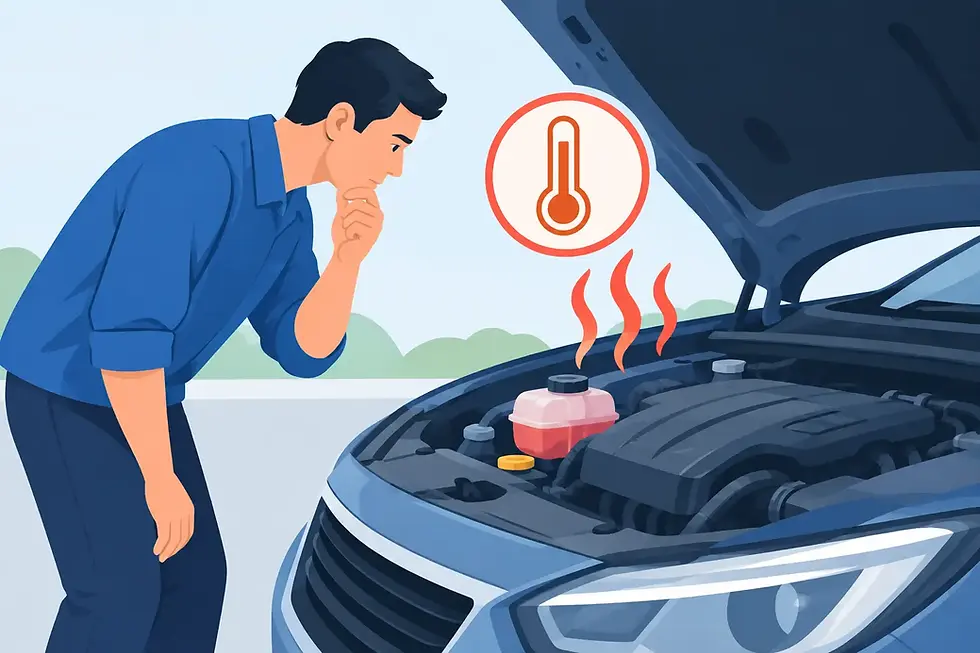
It also makes sense when the vehicle is hard to move. Flat batteries, no-start faults, overheating issues or brake concerns can make driving to a workshop risky or impossible. In those situations, having a mechanic come out first can save you from guessing, and it may save you the cost and delay of unnecessary towing.
For tradies and business owners, convenience is only half the story. Downtime costs money. If your ute, van or truck is essential to earning a living, quick on-site support is not a luxury. It is part of keeping work moving.
Then there are the people who simply want straight answers. A good mobile mechanic tends to work one-on-one with the customer, standing beside the vehicle, explaining what has failed, what can wait and what should be dealt with now. That style suits drivers who want honesty without the runaround.
The real benefits of using a mobile mechanic
The first benefit is obvious - convenience. You stay where you are, and the work comes to you. But there are a few other reasons people keep using mobile mechanics once they have tried the service.
One is transparency. When the mechanic is working at your home or workplace, it is easier to ask questions and understand what is happening. You are not being handed a list from behind a service desk. You are getting a direct explanation from the person doing the job.
Another is flexibility. Mobile mechanics often work across a broader mix of real-world situations than workshop-only operators. That can mean servicing a family car in a driveway one hour, diagnosing a diesel issue on a work site later that day, then helping with a marine engine problem after that.
There is also less disruption. You are not arranging transport, sitting around waiting, or losing access to your vehicle longer than necessary. For busy households and working vehicle owners, that practical saving is hard to ignore.
What to look for when choosing one
Not every mobile mechanic offers the same level of service, so it pays to ask a few basic questions. Start with experience and the types of vehicles they work on. A mechanic who only handles small passenger cars may not be the right fit for a 4x4, diesel or truck.
Ask whether they use modern diagnostic equipment and quality parts. That matters because many vehicle faults are not obvious anymore. On newer vehicles in particular, proper testing can save time and prevent guesswork.
It is also worth checking how they explain repairs. Good mechanics do not hide behind jargon. They should be able to tell you what the issue is, why it matters, what the repair involves and whether there are options. Clear communication builds trust.
Local coverage matters too. A reliable mobile mechanic should have a defined service area and be realistic about response times. If you are in the Gold Coast or Brisbane region, using a local operator who already works across those areas usually means faster, more practical support.
Sometimes people assume mobile service must cost more because the mechanic is travelling to them. In reality, it depends on the job. Travel, urgency and parts availability can all affect pricing, but mobile service can also save money in other ways.
You may avoid towing costs. You may reduce downtime from a vehicle sitting in a queue at a workshop. And you may get a faster diagnosis that stops a small fault turning into a bigger repair. For routine servicing, pricing is often competitive, especially when you factor in the time and disruption saved.
The better question is value. If a mechanic turns up, sorts the issue efficiently and keeps you moving without the usual workshop hassle, that is often money well spent.
Why more drivers are choosing mobile mechanics
Vehicle owners want things fixed properly, but they also want the process to be easier. That is really why mobile mechanics have become such a practical choice. People are busy. Work vehicles need to stay working. Family cars still need servicing even when life is flat out. Boats and 4x4s do not always sit near a workshop when something goes wrong.
A capable mobile mechanic bridges that gap. They bring technical skill to the customer instead of making the customer work around the repair.
For drivers who want dependable help without the fuss, that is the real answer to what is a mobile mechanic. It is a mechanic who meets you where you are, tells you what is going on in plain English, and gets stuck into the job. If that sounds like the kind of service you would actually use, it probably is.


Comments