

Mobile Mechanic Service List Explained
When your car will not start before work, your ute is due for a service, or your boat motor starts playing up before the weekend, you usually want one thing - a clear mobile mechanic service list that tells you what can actually be done on-site. That matters because not every mechanical issue needs a workshop, a tow truck, or a day lost sitting around waiting.
A good mobile mechanic does more than oil changes in a driveway. The right operator can handle routine servicing, fault finding, repairs, battery issues, brakes, suspension work and a fair bit more at your home, workplace or even roadside, depending on the fault and the working space around the vehicle. The main difference is convenience, but convenience only counts if the work is done properly and explained in plain English.
What a mobile mechanic service list usually includes
Most people think mobile mechanical work starts and ends with basic servicing. In reality, the service list is often much broader, especially when the mechanic carries proper diagnostic gear, quality parts and the experience to work across different makes and vehicle types.
Routine logbook and general servicing sits at the core of most mobile work. That includes engine oil and filter changes, fluid top-ups or replacements, safety checks, air and cabin filter replacement, spark plugs where required, and checking wear items before they become expensive problems. For everyday drivers, this is often the easiest way to stay on top of maintenance without losing half a day at a workshop.
Diagnostics are another major part of the job. If a warning light comes on, the engine starts running rough, the vehicle is hard to start, or fuel use suddenly jumps, a mobile mechanic can often test and diagnose the issue on-site. Modern scan tools make a big difference here, but experience still matters. A code reader on its own does not fix a fault. It only points you in the right direction.
Brake work is also commonly included on a mobile mechanic service list. That can cover brake pad replacement, disc rotor checks, brake fluid inspection, and identifying wear or safety concerns before they become serious. Some brake jobs are straightforward on-site work. Others depend on the condition of the parts and whether machining or more involved repairs are needed.
Battery and starting issues are another regular call-out. If the vehicle will not crank, keeps going flat, or struggles to start, the problem might be the battery, alternator, starter motor or an electrical fault. A mobile mechanic can test the system properly rather than just swapping parts and hoping for the best.
Suspension and steering repairs are often possible too. Worn shocks, bushes, links and other front-end parts can affect safety, tyre wear and how the vehicle feels on the road. If the issue can be handled safely on-site, it makes sense to get it done where the car already is.
Mobile mechanic services for more than passenger cars
This is where many people get caught out. They assume mobile mechanical work only suits standard cars, but a capable provider will often service far more than that.
Four-wheel drives and diesel vehicles regularly need mobile servicing and repair work, especially for owners who use them hard or rely on them for work and travel. A diesel service is not the same as a small petrol hatchback service, so it helps to use someone who understands the differences in filters, fuel systems and maintenance intervals.
Tradies and small operators with utes, vans and light trucks also benefit from on-site work because downtime costs money. If the vehicle earns its keep, getting a mechanic to come to you is often the quickest option. The same goes for fleet-adjacent vehicles that need regular maintenance without the hassle of workshop drop-offs.
Marine and boat motors are another area where mobile servicing makes practical sense. Moving a boat just to sort out a mechanical issue is not always simple, and in many cases, service or repair work can be carried out where the boat is stored. It depends on access and the nature of the fault, but it is a service many owners do not realise is available.
Common repairs that can be done on-site
A proper mobile mechanic service list covers more than inspections and scheduled maintenance. Many repairs can be completed on the spot if the fault is suitable and the parts are available.
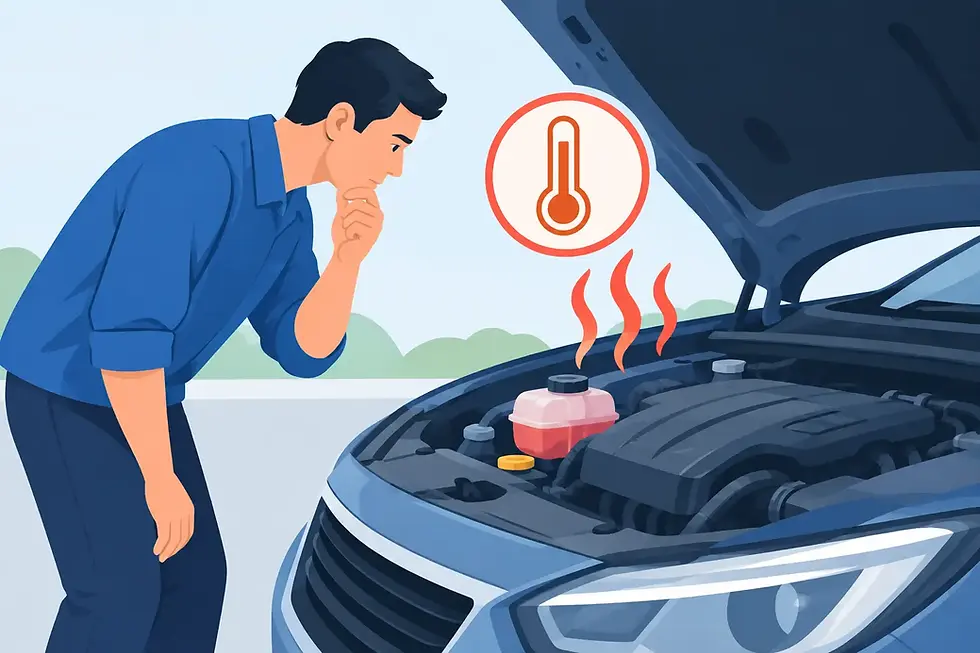
Cooling system repairs are a good example. If a vehicle is overheating, losing coolant or showing signs of a failing thermostat, radiator hose or water pump issue, a mobile mechanic can inspect the system and carry out suitable repairs. That said, severe overheating can cause larger engine damage, so the first step is always proper diagnosis.
Minor to moderate engine repairs are often possible too, particularly when the issue relates to ignition components, sensors, belts or service-related items. Not every engine problem can be solved in a driveway, but many can. The trick is knowing where mobile work is the smart option and where workshop support is genuinely needed.
Electrical fault finding also sits high on the list. Lights not working, charging problems, parasitic battery drain and sensor faults can often be tested on-site. Electrical work can be simple or time-consuming depending on the fault, so this is one area where honest communication matters. Sometimes the cause is obvious. Sometimes it takes a proper process to pin it down.
Pre-purchase inspections are another valuable service, especially if you are buying a used vehicle privately. Getting a mechanic to inspect the car before money changes hands can save you from inheriting someone else’s expensive problem. A mobile inspection is not magic and cannot predict every future fault, but it does give you a much clearer picture of the vehicle’s condition.
What might not be on a mobile mechanic service list
This part matters just as much as what is included. Not every job suits mobile work, and a decent mechanic will tell you that upfront.
Major engine rebuilds, gearbox rebuilds, heavy fabrication, extensive body work and jobs requiring large fixed equipment are generally workshop tasks. The same applies when a vehicle is unsafe to work on where it sits, or when there is not enough room to carry out the repair properly. If specialist hoists, machining or long bench work are needed, a workshop is the better fit.
There are also times when emergency towing is the practical next step. If the vehicle has suffered major failure, cannot be accessed safely, or needs more involved workshop attention, towing avoids making the situation worse. A good mobile mechanic will not waste your time pretending every problem can be fixed kerbside.
How to read a mobile mechanic service list the right way
The best way to look at a mobile mechanic service list is not as a rigid menu, but as a guide to capability. The list should tell you whether the mechanic can handle your type of vehicle, your kind of problem and your preferred location.
Ask practical questions. Can they service petrol and diesel? Do they work on 4x4s, trucks or marine motors? Can they run diagnostics, not just basic maintenance? Do they explain faults clearly and quote before carrying out extra work? Those details matter more than a long list full of vague promises.
It also helps to think about access. A mobile service works best when the vehicle is parked safely, with enough room around it and approval to work on-site if you are at a workplace, apartment complex or marina. Most jobs are straightforward in a driveway or car park, but site conditions can affect what is possible on the day.
Why local experience makes a difference
On paper, many businesses can offer the same mobile mechanic service list. In practice, experience shows up in the speed of diagnosis, the quality of the repair and the way the job is explained to the customer.
That is especially true across the Gold Coast and Brisbane, where people rely on everything from family cars and work utes to 4x4s, diesel vehicles, trucks and boats. A mechanic who has spent years working across those vehicle types usually spots issues faster and gives more useful advice about what needs doing now versus what can wait a bit.
Hope Automotive is built around that practical approach - bring the tools, diagnose the problem properly, fix what can be fixed on-site, and explain it in plain English without the run-around.
If you are comparing options, a strong mobile mechanic service list should leave you with confidence, not more questions. You want broad capability, honest limits and workmanship that keeps your vehicle reliable. When that box is ticked, getting mechanical work done becomes a whole lot less painful.


Comments