

Diesel Service vs Petrol Maintenance Explained
A diesel ute that tows a work trailer and a petrol hatchback used for school runs both need regular servicing. But diesel service vs petrol maintenance is not a straight apples-to-apples comparison. They share plenty of basics, including oil changes, brakes, tyres, cooling systems and safety checks, yet the engines have different parts, operating demands and common faults.
The right service plan comes down to the vehicle, its age, kilometres, manufacturer requirements and how it is used. Short trips around town, heavy towing, beach driving, stop-start traffic and long highway runs all affect what a mechanic needs to inspect.
The shared maintenance essentials
Whether you drive petrol or diesel, routine servicing protects the major systems that keep your vehicle safe and reliable. Engine oil and filters need replacing at the correct intervals. Brakes, suspension, steering, tyres, lights, belts, hoses, battery condition and fluid levels all deserve attention as well.
A proper service is more than changing oil and putting a sticker on the windscreen. It is a chance to spot worn brake pads before they damage rotors, find a coolant leak before the engine overheats, or pick up a weak battery before the vehicle leaves you stranded at the job site.
For Gold Coast and Brisbane drivers, climate and conditions matter too. Heat puts extra pressure on batteries and cooling systems. Salt air, beach launches and muddy 4x4 tracks can accelerate corrosion and wear. A vehicle that spends its life loaded with tools needs a different level of attention than one used mainly for weekend errands.
Diesel service vs petrol maintenance: the main differences
The biggest difference is how each engine burns fuel. Petrol engines use spark plugs to ignite the air-fuel mixture. Diesel engines use high compression and run at much higher pressures. That means diesel fuel systems, filters, turbochargers and emissions components often need more specialised inspection.
Petrol engines need ignition-system care
Spark plugs are a normal petrol-engine service item. As plugs wear, a vehicle may become harder to start, idle roughly, use more fuel or lose performance. Ignition coils, leads on older vehicles, and sensors can also cause misfires.
Petrol engines generally do not have diesel particulate filters or the same high-pressure injection equipment found in modern diesels. This can make some maintenance jobs simpler. It does not mean petrol vehicles are maintenance-free, though. Timing chains or belts, cooling systems, oil leaks and carbon build-up can still create expensive problems if warning signs are ignored.
Regular oil changes remain critical. Using the wrong oil grade or extending intervals beyond the manufacturer recommendation can contribute to engine wear, timing issues and sludge build-up.
Diesel engines need clean fuel and correct oil
Diesel engines rely on precise, high-pressure fuel delivery. Water or contamination in diesel fuel can cause trouble, which is why many diesel vehicles have a fuel filter that needs replacement as part of scheduled maintenance. In some applications, the filter may also need water drained from it.
Modern diesel oil is not just ordinary engine oil. It must meet the correct specification for the engine and its emissions equipment. The wrong oil can affect lubrication and may contribute to problems with diesel particulate filters, commonly called DPFs.
Diesel engines are often chosen for towing, commercial use and 4x4 work because of their low-down torque and fuel economy. Those same jobs can place added load on the engine, transmission, cooling system and turbocharger. A diesel that tows regularly may need servicing based on severe-use conditions rather than the longest interval listed in a logbook.
DPFs and short trips do not mix well
Many late-model diesels use a DPF to capture soot from exhaust gases. The filter periodically burns that soot away through a process called regeneration. For regeneration to work properly, the vehicle often needs enough time at operating temperature and suitable driving conditions.
A diesel used only for short local trips may struggle to complete this process. Warning lights, reduced power, increased fuel use or a cooling fan running after the engine is switched off can all be signs that the system needs attention. Do not keep driving and hoping the warning will disappear. A blocked DPF can lead to a far more costly repair.
This does not mean a diesel is the wrong choice for every local driver. It means the way you use it should suit the vehicle. A driver who regularly does highway kilometres or towing work may find diesel ideal. Someone who only drives a few kilometres at a time around the suburbs may be better served by petrol, hybrid or another option depending on their needs.
Petrol direct injection has its own carbon issue
Some newer petrol engines use direct injection. These can develop carbon deposits around intake valves over time because fuel is injected straight into the cylinder rather than washing over the valves. Symptoms may include rough idling, hesitation or reduced performance.
The required fix depends on the engine and the severity of the build-up. It is not something to guess at or treat with a one-size-fits-all additive. Proper diagnosis matters, particularly when a warning light or misfire is involved.
What affects the cost of servicing?
There is no honest fixed answer to whether diesel is always dearer to maintain. In many cases, a routine diesel service costs more because it may use more oil, require a specific low-ash oil, and include a diesel fuel filter. The engine layout and access to service items can also affect labour time.
However, petrol vehicles can need spark plugs, ignition work and repairs to different fuel or emissions components. The real cost picture is shaped by the vehicle’s condition and use, not simply the badge on the fuel flap.
A well-maintained diesel that does suitable kilometres can provide dependable, economical service for years. A neglected diesel with DPF, injector or turbo issues can be expensive. The same principle applies to petrol engines: consistent maintenance is usually cheaper than waiting for a breakdown.
When comparing costs, consider the whole job. Ask what oil and filters are being used, whether safety items are inspected, and whether the mechanic is following the manufacturer’s requirements. The cheapest quote is not always good value if essential checks or quality parts have been left out.
Warning signs worth booking in early
Both petrol and diesel vehicles should be checked promptly if a warning light appears, the engine is hard to start, performance drops, fuel use suddenly increases, or there is smoke, a fuel smell or an unusual noise.
For diesel owners, pay particular attention to DPF warnings, a loss of pulling power, excessive black smoke or repeated fuel-system concerns. For petrol owners, rough running, a flashing engine light, misfires and poor idle quality should not be put off. A flashing engine light can indicate a fault serious enough to damage other components.
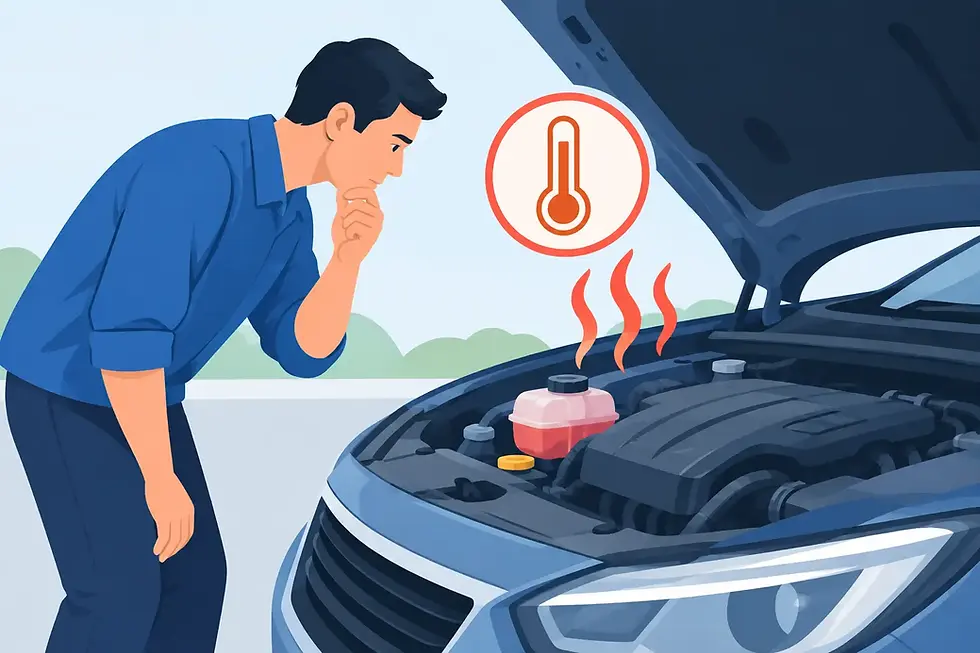
Also keep an eye on coolant temperature. Overheating can damage any engine, petrol or diesel, and continuing to drive can turn a manageable repair into a major one. Safely pull over, switch the engine off and arrange advice rather than opening a hot radiator cap.
A service plan that suits the way you drive
The logbook is the starting point, but it is not the whole story. A vehicle doing short trips, towing, carrying loads, working on dusty sites or spending time off-road may need earlier inspections and fluid changes. This is especially relevant for tradies, 4x4 owners and small business vehicles where downtime costs more than a planned service.
Keep records of services, repairs and any warning lights. Tell your mechanic how the vehicle is actually used, not just its kilometres. That helps identify whether it should be maintained under normal or severe conditions and avoids unnecessary work at the same time.
Hope Automotive can assess petrol and diesel vehicles on-site across the Gold Coast and Brisbane service areas, using diagnostic equipment and plain-English advice to help you make a practical call. Whether it is a family car, ute, 4x4 or work vehicle, the aim is simple: deal with small issues before they interrupt your week.
The best maintenance choice is not petrol or diesel in isolation. It is giving the vehicle you own the right attention, at the right time, for the work it actually does.


Comments